A central heat pump is one of the most efficient ways to heat and cool a home in Quebec, but only if it is set up and looked after properly. The very same unit can add hundreds of dollars a year to your energy bills simply because a filter is clogged, the thermostat is being pushed up and down all day, or the outdoor unit is buried in snow. Here are the steps that make the biggest difference to your central heat pump’s efficiency.
1. Set your thermostat, then leave it alone. Because a heat pump both heats and cools, it runs year-round and performs best at a steady setpoint. Constantly raising and lowering the temperature forces the system into long catch-up cycles, which is exactly when it draws the most power. Pick a temperature that suits your household, set it, and let the unit self-regulate. Your comfort will be more even and your energy consumption far more predictable.
2. Keep the filter clean. A dirty filter is the single most common reason a heat pump suddenly feels weak or expensive to run, and changing it is the easiest heat pump maintenance task you can do yourself. Restricted airflow makes the blower work harder, reduces heat transfer, and in cold weather can push the system onto its more costly backup heat. Check the filter monthly through the heavy heating and cooling seasons, and clean or replace it as your manufacturer recommends.
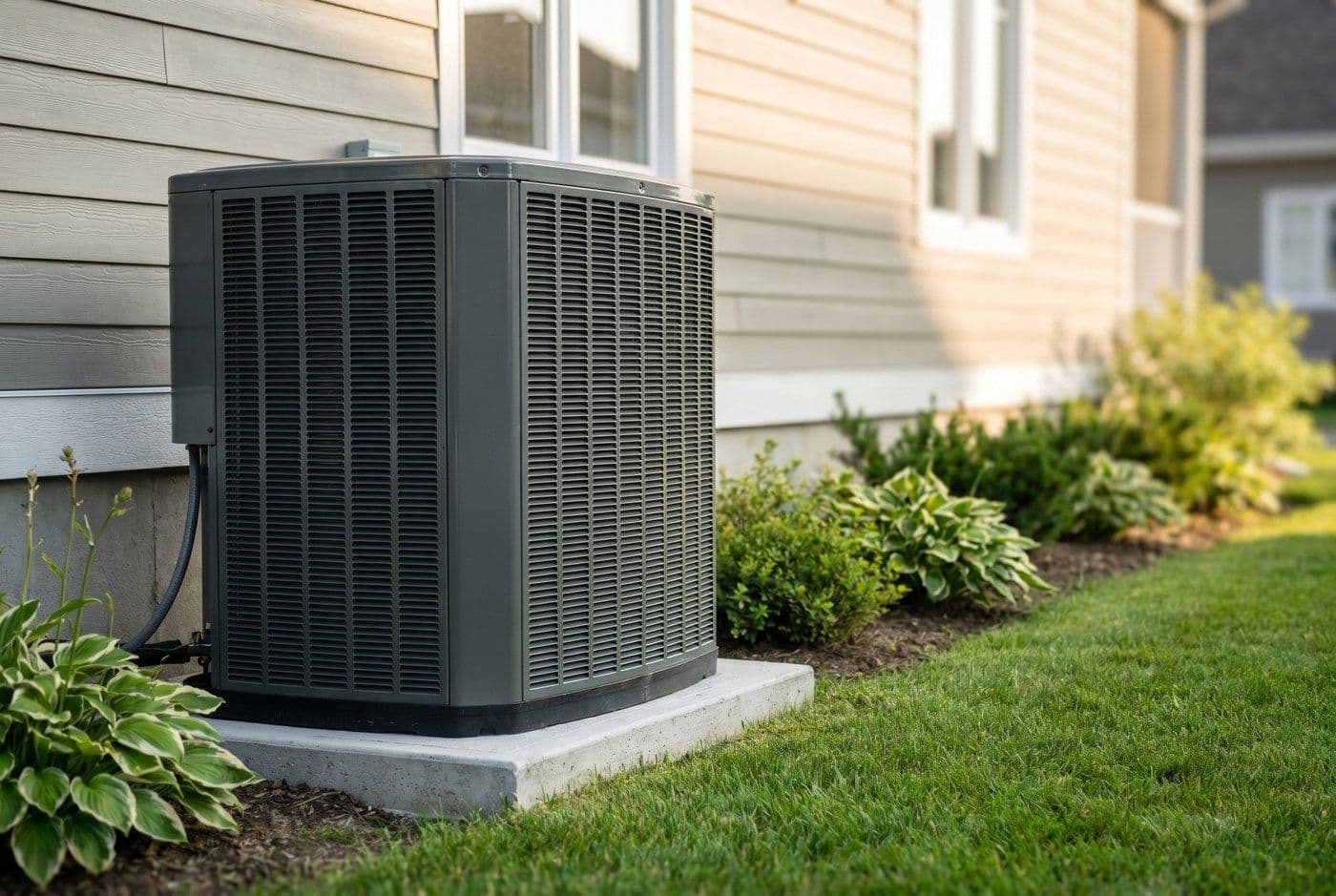
3. Give the outdoor unit room to breathe. The outdoor unit needs clear airflow on every side. Keep leaves, grass clippings, shrubs and stored items well away from it, and through the winter make sure snow and ice are not building up around the base or blocking the coil, a real consideration in a Montreal or Laval winter. A unit that cannot move air freely has to run longer to deliver the same result, and that shows up directly on your Hydro bill.
4. Go easy on the high fan speed. Using the remote control, you can select a higher air exhaust speed, which allows you to reach the preset temperature faster. It works, but the more you use this function, the higher the energy consumption. Save it for the moments you genuinely need it, such as coming home to a cold house, and leave the system on its normal or automatic setting the rest of the time.
5. Do not overlook your insulation. We rely on the heating and cooling system to reach the temperature we want, but the quality of a home’s insulation has just as much influence on the comfort you can actually hold onto. Check the insulation in the places that matter most (roof, walls, floors and windows) and improve the weak points. Doing so lets the heat pump run shorter cycles, lowers your energy bills, and helps you avoid moisture and mould problems.
6. Make sure the unit is the right size for your home. Part of your efficiency is decided the day the system goes in. A heat pump that is undersized runs flat out and never quite catches up; one that is oversized short-cycles, which wears out components and dehumidifies poorly in summer. Correct sizing during central heat pump installation should reflect your home’s square footage, its layout and your particular heating and cooling needs. If you are choosing a unit, compare the warranty offered on each and take the time to understand how to judge a heat pump’s efficiency before you commit, because that is what tells you what the unit will actually cost to run.
7. Book two maintenance visits a year. Because a central heat pump works in both seasons, a single annual check is not enough. It should be serviced twice a year: once in the spring before the cooling season, and once in the fall before the heating season. At each visit our technicians inspect the components, verify the refrigerant charge and electrical draw, and clean, repair or replace any part that is worn or damaged. Small problems caught at those two visits are what keep a unit at its rated efficiency instead of quietly drifting away from it. Book a maintenance visit and we will look after it for you.
8. Know the difference between a tune-up and a repair. Some of what a heat pump does is normal and some of it is a phone call. Normal: the outdoor unit frosting over in winter and then clearing itself during a defrost cycle, and the fan changing speed as the system modulates. Worth a call: ice that is still on the coil after a defrost cycle has run, air from the vents that is barely moving, the system starting and stopping every few minutes, a new grinding or rattling noise, or a bill that jumps without the weather explaining it. Every one of those means the unit is working harder than it should for the heat it delivers, so it is already costing you money before it ever breaks. Running it in that condition is what turns a small repair into a new compressor.
Applied consistently, these steps are the difference between a central heat pump that pays for itself and one that simply runs. If you would like to learn more about how heat pumps work, or need personalized advice on choosing and maintaining the right unit for your home in Montreal or Laval, don’t hesitate to contact us!